Saving money is one of the most important financial habits you can develop. Regardless of your income level, creating a consistent savings habit can help you achieve financial security, reduce stress, and reach your long-term goals.
Many people assume they need a high salary to save money. However, the truth is that saving is more about habits than income. Even small amounts saved consistently can grow into significant wealth over time.
Whether you’re building an emergency fund, planning a vacation, buying a home, or preparing for retirement, learning how to save money every month is essential.
In this guide, you’ll discover practical strategies that can help you save more money without drastically changing your lifestyle.
Why Saving Money Is Important
Saving money provides financial stability and prepares you for unexpected situations.
Financial Security
Life is unpredictable. Medical emergencies, job loss, business challenges, and unexpected expenses can occur at any time. Savings provide a safety net during difficult periods.
Reduced Financial Stress
Knowing that you have money set aside for emergencies can significantly reduce anxiety and financial pressure.
Helps Achieve Financial Goals
Savings help you achieve goals such as:
- Buying a house
- Purchasing a vehicle
- Starting a business
- Traveling
- Retirement planning
Creates Investment Opportunities
Savings can eventually be invested in:
- Mutual Funds
- SIPs
- Fixed Deposits
- Stocks
- Gold Investments
Also Read :- Fixed Deposit vs SIP: Which Is Better for Beginners?
These investments can help grow your wealth over time.

15 Practical Ways to Save Money Every Month
1. Create a Monthly Budget
A budget helps you understand exactly where your money goes.
Track:
- Income
- Fixed expenses
- Variable expenses
- Savings
People who budget regularly are often better at managing money.
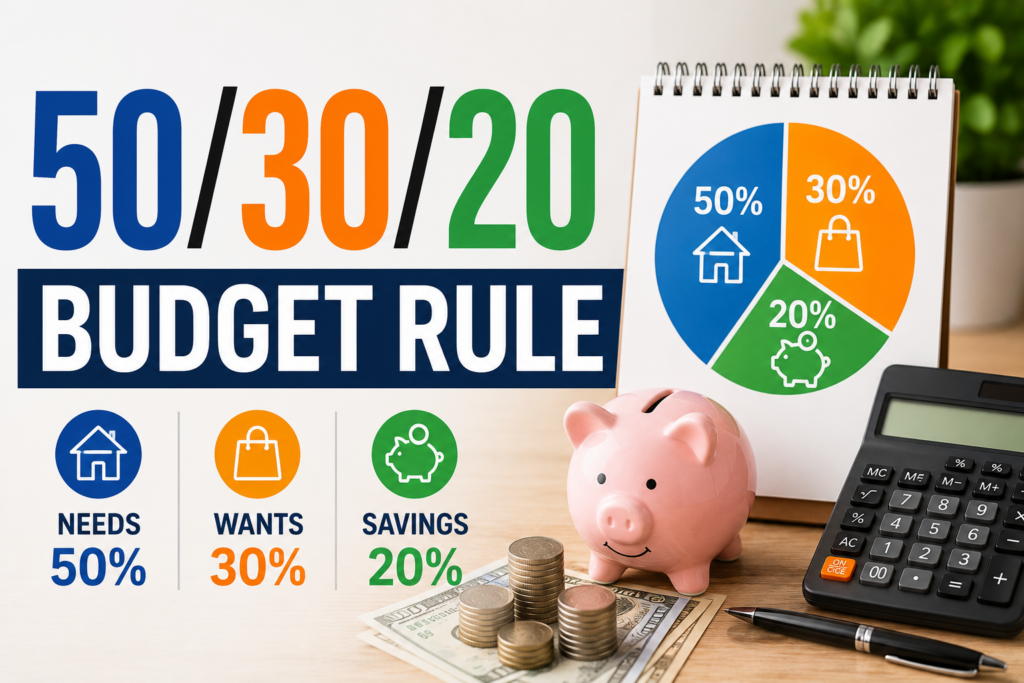
2. Follow the 50-30-20 Rule
This popular budgeting strategy recommends:
- 50% for necessities
- 30% for lifestyle expenses
- 20% for savings and investments
This creates a balanced approach to financial management.
3. Track Every Expense
Small expenses can quietly consume a large portion of your income.
Examples include:
- Daily snacks
- Online subscriptions
- Food delivery
- Impulse purchases
Tracking expenses increases awareness and helps identify unnecessary spending.
4. Automate Your Savings
One of the easiest ways to save money is to automate the process.
Set up automatic transfers from your salary account to your savings account every month.
This ensures savings happen before spending.
5. Reduce Food Delivery Expenses
Frequent food delivery can significantly increase monthly expenses.
Preparing meals at home often costs substantially less while improving health.
6. Avoid Impulse Buying
Before making a non-essential purchase, wait 24 hours.
This simple rule helps eliminate emotional spending and unnecessary purchases.
7. Cancel Unused Subscriptions
Review all active subscriptions:
- OTT platforms
- Mobile apps
- Memberships
- Software services
Cancel anything you rarely use.
8. Shop With a List
Whether shopping online or offline, create a list before making purchases.
This reduces unnecessary spending and keeps shopping focused.
9. Compare Prices Before Buying
Never rush large purchases.
Spend a few minutes comparing prices across different platforms and stores.
Also Read :- Best Personal Finance Books to Read in 2026
10. Build an Emergency Fund
An emergency fund should cover at least:
- 6 months of expenses for salaried individuals
- 9–12 months of expenses for self-employed individuals
This prevents financial setbacks during emergencies.
11. Use Cashback and Reward Programs Wisely
Cashback offers can provide additional savings when used responsibly.
However, avoid spending extra money simply to earn rewards.
12. Increase Your Savings Rate After Salary Hikes
Whenever your income increases, increase your savings amount as well.
This prevents lifestyle inflation.
13. Avoid High-Interest Debt
Credit card debt and personal loans can significantly impact your ability to save.
Focus on reducing high-interest obligations whenever possible.
14. Start Investing
Saving money is important, but investing helps money grow faster.
Consider:
- SIPs
- Mutual Funds
- Index Funds
- Fixed Deposits
based on your financial goals.
15. Review Your Finances Monthly
Spend time every month reviewing:
- Spending habits
- Savings progress
- Financial goals
Regular reviews help improve financial discipline.
Why People Struggle to Save Money
Lifestyle Inflation
As income increases, spending often increases too.
Many people upgrade their lifestyle instead of increasing savings.
Lack of Financial Goals
Saving becomes easier when there’s a clear purpose behind it.
Poor Budgeting
Without a budget, money tends to disappear without notice.
Impulse Spending
Emotional purchases can quickly destroy savings goals.
Excessive Debt
Loan repayments reduce available cash for saving and investing.
Monthly Savings Targets Based on Income
| Monthly Income | Suggested Savings |
|---|---|
| ₹20,000 | ₹2,000–₹4,000 |
| ₹30,000 | ₹4,000–₹6,000 |
| ₹50,000 | ₹8,000–₹12,000 |
| ₹75,000 | ₹12,000–₹20,000 |
| ₹1,00,000+ | ₹20,000+ |
Remember that consistency is more important than perfection.
Money-Saving Challenges You Can Try
52-Week Savings Challenge
Save a little more money every week throughout the year.
No-Spend Weekend Challenge
Avoid unnecessary purchases for one weekend each month.
Automatic Savings Challenge
Automatically transfer a percentage of your income to savings every payday.
These challenges help build long-term saving habits.
Expert Tips to Save More Money
- Save before spending.
- Automate savings transfers.
- Avoid lifestyle inflation.
- Increase SIP investments annually.
- Review expenses every month.
- Build multiple income streams.
- Keep emergency savings separate from spending accounts.
Frequently Asked Questions
How Much Money Should I Save Every Month?
A common recommendation is to save at least 20% of your monthly income. However, any amount saved consistently is beneficial.
Can I Save Money on a Low Salary?
Yes. Even small monthly savings can accumulate significantly over time.
Should I Save or Invest First?
Build an emergency fund first. After that, focus on investing for long-term growth.
What Is the 50-30-20 Rule?
It is a budgeting method where:
- 50% goes to needs
- 30% goes to wants
- 20% goes to savings and investments
Where Should I Keep My Savings?
Emergency funds should remain easily accessible in savings accounts or other low-risk financial instruments.
Conclusion
Saving money every month is one of the most effective ways to improve your financial future. You don’t need a massive income to start. What matters most is consistency, discipline, and smart financial habits.
Start with small steps, automate your savings, track your spending, and gradually increase your savings rate over time. These habits can help you build financial security, achieve important goals, and create long-term wealth.